The Grace of Gratitude: Using Alhamdulillah Calligraphy in Modern Design
There is a unique power in typography that transcends mere language; it conveys emotion, history, and identity all at once. When we look at the phrase "Alhamdulillah"—meaning "praise be to God"—rendered in high-quality calligraphy, we aren't just seeing letters on a page. We are witnessing a fusion of spiritual devotion and artistic discipline. For designers, content creators, and entrepreneurs, incorporating an Alhamdulillah Calligraphy Design into a project is more than a stylistic choice; it is a way to infuse a brand or product with a sense of peace, gratitude, and cultural depth. This specific style of Arabic typography has moved beyond traditional religious texts and found a permanent home in modern digital landscapes, offering a bridge between ancient art forms and contemporary visual communication.
Visual Appeal: Minimalism Meets Tradition
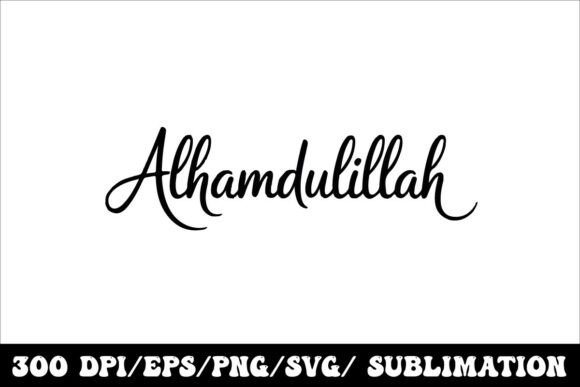
What makes this particular calligraphy style so compelling to a modern audience is its balance of complexity and simplicity. Traditional Arabic script is inherently fluid, but the modern interpretation often leans toward minimalism. This Alhamdulillah Calligraphy Design typically features smooth lettering and clean lines that avoid the ornamental clutter of older scripts. It captures the essence of the message—gratitude—without overwhelming the viewer.
From a visual communication standpoint, the appeal lies in its versatility. The "clean background" nature of these designs means they can be dropped into almost any context without clashing. Whether you are working with a stark white canvas for a luxury brand or a textured, earthy background for a lifestyle blog, the typography adapts. The curves of the Arabic script provide a natural flow that guides the eye, while the weight of the strokes offers a grounded, stable presence. This makes it an ideal candidate for minimalist art and modern decor, where the focus is on space and form rather than excessive detail.
Integrating Faith and Professionalism in Branding
For business owners and entrepreneurs, particularly those operating within the halal economy, wellness sectors, or lifestyle markets, visual consistency is key. Your typography tells your audience who you are before they read a single word of your copy. Using a dedicated Islamic calligraphy font or design asset allows you to speak directly to your demographic with authenticity.
Imagine a skincare brand that values natural ingredients and purity. Using a premium font featuring this calligraphy on packaging creates an immediate association with cleanliness and spiritual well-being. It elevates the product from a simple commodity to a ritualistic experience. Similarly, for a digital course creator focusing on mindfulness or spiritual growth, this typography serves as a visual anchor for their brand identity. It signals that the content is rooted in gratitude and reflection, setting the tone for the user experience.
Practical Applications: From Screen to Print
The utility of a high-quality Arabic typography design extends far beyond a single use case. Its adaptability makes it a valuable asset in a designer’s toolkit for a variety of mediums. Because the lettering is smooth and the forms are distinct, it maintains its integrity across different scales—crucial for both digital art and physical products.
Here are several practical ways to deploy this design in your projects:
- Social Media Graphics: In the fast-paced scroll of Instagram or TikTok, Islamic quotes rendered in beautiful calligraphy stop the thumb. It creates a moment of pause and reflection, which can significantly boost engagement rates for motivational or spiritual content.
- Wall Art and Decor: For print-on-demand businesses, Alhamdulillah designs are perennial bestsellers. They fit seamlessly into modern interior design schemes, serving as wall decor that is both stylish and meaningful.
- Merchandise: This design works exceptionally well on apparel like t-shirts and hoodies, as well as accessories like tote bags and phone cases. The script font style adds a bespoke, artisanal quality to merchandise.
- Event Stationery: For weddings, Eid invitations, or community gatherings, this typography adds a layer of elegance. It pairs well with floral motifs or geometric patterns typical of Islamic design.
- Web Design: Using this calligraphy as a hero image or a section divider on a website can break up monotonous blocks of text, adding visual interest and thematic depth to editorial layouts.
Typography Strategy: Pairing and Readability
While the calligraphy itself is the star, it rarely exists in a vacuum. Most projects require a secondary typeface for body copy or supporting information. This is where font pairing becomes a critical skill. Because Alhamdulillah Calligraphy is a display font with high personality, it needs to be balanced by something more neutral.
A common mistake is pairing ornate script with another decorative font, which creates visual chaos. Instead, consider pairing the calligraphy with a clean sans serif font or a simple serif font. The geometric simplicity of a sans serif provides a modern contrast that allows the curves of the Arabic script to pop. If you are going for a more traditional or luxurious feel, a classic serif with high legibility can complement the elegance of the calligraphy.
Readability is paramount. While the artistic swirls of modern calligraphy are beautiful, ensure that the specific design you choose maintains the distinct shapes of the letters. This is especially important if the audience includes those who may not be fluent in Arabic; the visual aesthetic is just as important as the linguistic accuracy. Always test your typography design at the actual size it will be viewed to ensure no fine details are lost.
Licensing and Commercial Use
Before you download and apply any design assets, it is vital to understand the licensing. Many designers and small business owners look for "free" resources, but for commercial projects—such as packaging design, logo design, or selling digital products—a commercial license is usually required.
Investing in a commercial font or a licensed design file ensures that you are legally protected and that the original artist is compensated. It also often guarantees a higher quality file format (like vector SVG or high-res PNG) which is essential for professional printing. When reviewing the licensing, check if it covers the specific ways you intend to use the art. For example, does the license allow for unlimited print runs on merchandise? Can you modify the design to fit a logo? Treating your typography as a professional asset rather than a disposable graphic is a hallmark of a mature brand strategy.
Creative Exploration
Don't be afraid to experiment with the context of the design. While it is a religious art form, its aesthetic appeal is universal. You might use the design as a subtle watermark on a photography portfolio, or emboss it onto leather goods for a tactile effect. For content creators, animating the calligraphy—revealing the letters stroke by stroke—can create mesmerizing video intros.
Ultimately, the goal is to use this beautiful expression of Islamic spirituality to enhance your visual storytelling. Whether you are designing a meditation app interface, a line of greeting cards, or a motivational poster, the Alhamdulillah Calligraphy Design offers a timeless blend of gratitude and grace. It reminds us that good design isn't just about looking good; it's about feeling connected to the message we are sharing with the world.